
 简体中文
 English
 Español
 Deutsch
 日本語
 Français
 Português
 Русский
 Italiano
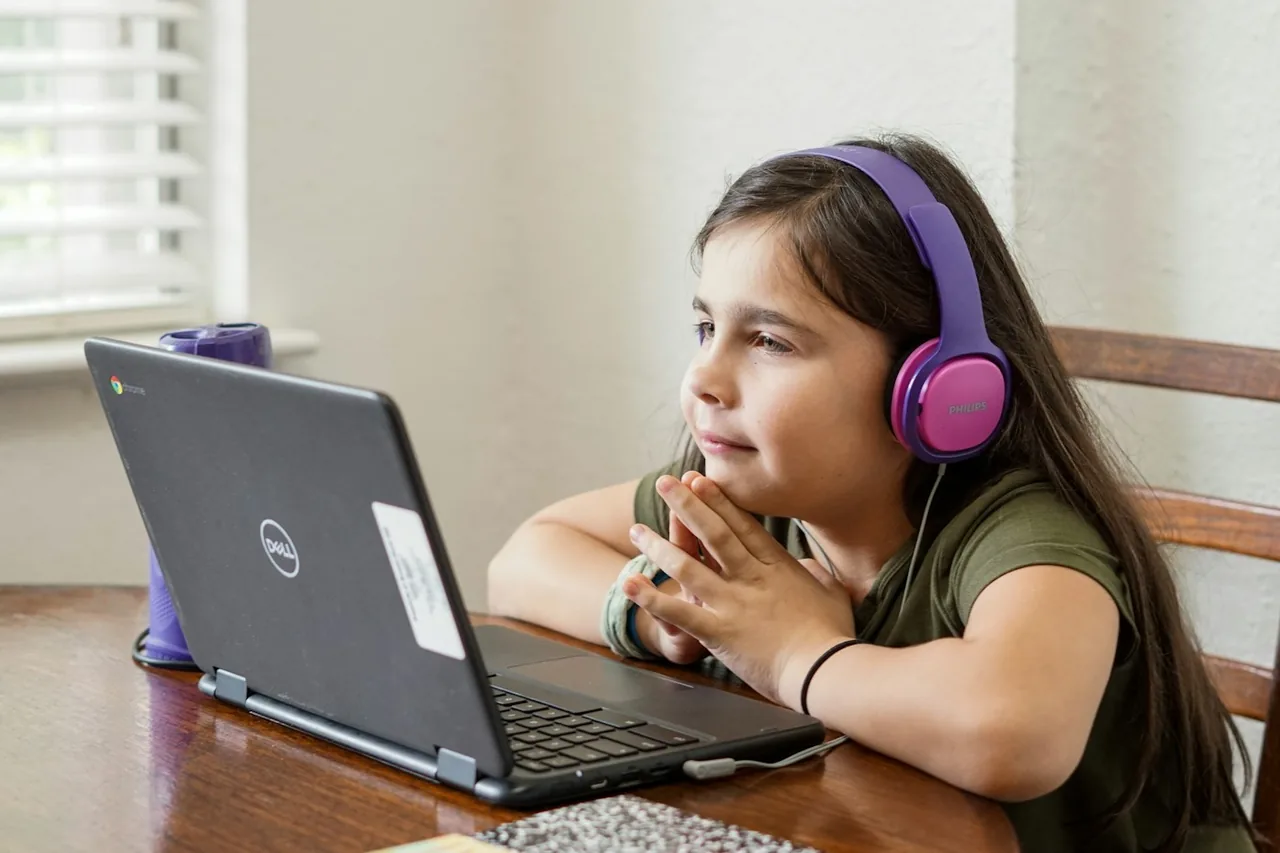

儿童语言

儿童语言:1-2 岁时,您的孩子将学会使用和理解更多单词和更多类型的单词。起初,他们会理解和说出大部分名词,例如“狗”和“公共汽车”。最终,他们会理解和说出一些动词,例如“吃”和“跑”。接下来是形容词,例如“大”和“蓝色”。在这个年龄段,您的孩子会使用有意义的单词、虚构的单词、声音和手势进行交流。
Young learners
Practise the language through tasks with a clear purpose.
Recognise and use familiar vocabulary in guided activities.
Listen and respond to simple questions and instructions.
Participate in short, age-appropriate stories and conversations.
适合对象
The teaching team and parent or guardian agree the age group, starting level and suitable activities.
Encourage listening, pronunciation and everyday vocabulary in an engaging, supportive setting. Short practice tasks and regular feedback help families follow progress, with the learning pace and activities adapted to the agreed age group.
A parent or guardian should confirm the age group, supervision and lesson arrangements before enrolment.
Before you begin
Check the current fee, teaching availability, format, learning materials and any additional charges in the enrolment section or with admissions. The displayed teaching schedule is a planning proposal.
No. CEFR describes language proficiency. Your progress depends on placement, teaching, attendance and practice. A course module does not guarantee a complete CEFR level, certification or an external examination result.
Yes. Tell admissions about your previous learning, goal and available study time. For examination preparation, include the examination and intended test date.
Email admissions儿童语言:1-2 岁时,您的孩子将学会使用和理解更多单词和更多类型的单词。起初,他们会理解和说出大部分名词,例如“狗”和“公共汽车”。最终,他们会理解和说出一些动词,例如“吃”和“跑”。接下来是形容词,例如“大”和“蓝色”。在这个年龄段,您的孩子会使用有意义的单词、虚构的单词、声音和手势进行交流。
 English (UK) English (UK)
 Español
 Deutsch
 Français
 Italiano
 Português
 Русский
 简体中文
